Blue Gold: Following Indigo Through El Salvador’s Past and Present
This journey follows the story of El Salvador’s ancient “blue gold,” tracing indigo from sacred Maya traditions and colonial history to its modern revival in the colorful streets of Suchitoto. From the ruins of San Andrés and hidden lakeside cafés to hands-on dyeing workshops and unforgettable encounters with local artisans, it’s a story about history, resilience, and discovering how an ancient color still lives on today.
5/23/2026
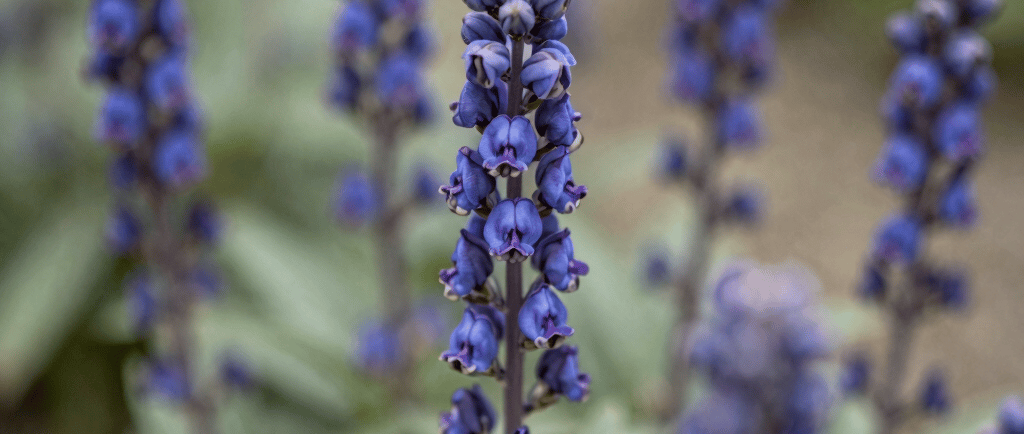
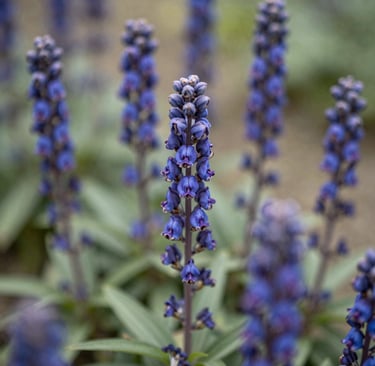
Today begins at San Andrés, situated near Sitio del Niño and almost perfectly placed between San Salvador and Santa Ana.
Getting there is a reminder that in El Salvador, the journey itself often feels like part of the destination. The highways are smooth, the scenery unfolds effortlessly, and for a while, the drive asks nothing more of you than to settle in and notice the beauty surrounding you.
Though perhaps pay closer attention than I did.
Google Maps and I had a brief disagreement.
By “brief disagreement,” I mean it confidently drove me right past the entrance while I stared at the screen wondering why my destination seemed determined to disappear into another dimension.
Fortunately, I spotted the large blue sign for San Andrés and managed a graceful recovery that definitely did not involve reversing awkwardly along a highway shoulder.
Everything survived.
Including my dignity. Mostly.
Ancient Cities and Forgotten Blue
The ruins of San Andrés sit within an expansive archaeological park where more than sixty mounds have been identified and where excavations continue to uncover stories hidden beneath centuries of earth and volcanic ash.
Walking through the site, I quickly realized the arrows intended to guide visitors seemed to possess their own personal ambitions.
Every single one pointed me in the opposite direction of where I wanted to go.
Eventually I abandoned them.
Sometimes archaeology requires independence.
Indigo: The Sacred Blue
Today, the blue bands of El Salvador’s flag symbolize many things.
Peace.
Identity.
Hope.
But they also honor one of the land’s greatest treasures:
Indigo.
Long before Spanish conquest, indigo—known by the Maya as xiquilite—held sacred meaning.
To us, blue is simply a color.
To the Maya, it was ritual.
Power.
Connection.
Ceramics were painted with it.
Ceremonial clothing carried it.
Human sacrifices were covered in it.
Not because it was beautiful.
Because it was sacred.
Because it connected humanity to something larger than itself.
And perhaps most surprisingly of all:
Your blue jeans carry echoes of that same story.
The Indigo Factory That Refused Me
San Andrés possesses something unusual among archaeological sites:
An indigo factory built atop ancient Maya ruins.
Unfortunately…
It was closed.
There I stood, gazing at it from a distance like someone looking longingly through the bakery window after realizing it’s closed on Mondays.
Disappointment is part of travel.
Still painful.
But part of it.
A Hot Chocolate Intervention
Since my archaeological heartbreak required immediate emotional support, I decided to redirect my ambitions toward a nearby café overlooking Laguna de Chanmico.
This is where you can add the café address:
👉 Laguna de Chanmico Hacienda Chanmico, El Salvador
Casa Laguna sits tucked away at the end of one of those roads that initially inspires concern before ultimately rewarding your bravery.
Friendly dogs wandered nearby.
A cat silently judged me.
And for a brief moment, I had the place almost entirely to myself.
I ordered hot chocolate.
Not ordinary hot chocolate.
El Salvador hot chocolate.
Which I am now prepared to publicly declare as the greatest hot chocolate I have ever consumed.
Rich.
Comforting.
Sacred, perhaps.
Suchitoto and the Return of Blue Gold
Later, I arrived in Suchitoto, where smooth roads give way to cobblestone streets and history feels less like memory and more like atmosphere.
Suchitoto has become the center of El Salvador’s modern indigo renaissance.
And among all the places preserving this ancient tradition, one rises above the rest:
Arte Añil
This is where you can add the indigo workshop address:
👉 Unnamed Road, Suchitoto, El Salvador
Immediately, I was greeted not by staff—but by fluffy animals.
An excellent sign.
Connie.
Oreo.
Mishi.
Honestly, if every business greeted customers this way, I’d probably spend significantly more money.
Meeting Irma and Dyeing History
Then I met Irma.
Among the many kind people I’ve met throughout El Salvador—and that list is extensive—Irma somehow stands apart.
Warm.
Patient.
Passionate.
She guided me through the centuries-old process of transforming xiquilite leaves into indigo dye.
The process begins with harvesting and fermentation.
Then comes the dye bath itself.
And at first?
It’s green.
Not blue.
Green.
Then oxygen touches it.
And suddenly:
Magic.
My Slightly Chaotic Indigo Masterpiece
I brought a white dress from home and joined the workshop experience.
Cost?
$70.
Worth every penny.
What followed involved:
aggressive quantities of rubber bands
gloves
mysterious liquids
increasingly questionable folding techniques
an aroma I can only describe as “historically authentic chemical rebellion”
At several points, my creation looked deeply concerning.
I began to suspect my artistic vision had become… interpretive.
But then the rubber bands came off.
And somehow:
It worked.
Slightly chaotic.
Deeply authentic.
100% Salvadoran.
Perfect.
The Story Continues
In El Salvador, indigo is more than dye.
It is memory.
Resilience.
Revival.
A thread stretching from Maya ritual to colonial exploitation, through disappearance and rebirth, all the way to the hands of artisans who continue carrying its story forward today.
And perhaps that is the remarkable thing about history:
Sometimes it doesn’t stay buried.
Sometimes…
It turns blue.
Vlogs
Watch the stories that unfold beyond words and photographs.
© 2026. All rights reserved.

Subscribe