Renting a Car in El Salvador: Fear, Freedom, and the Art of Honking With Intention
A first day behind the wheel in El Salvador blends fear, freedom, friendly honks, and unexpected kindness, revealing that driving the country is less about rules and more about trust, intuition, and shared road respect.
EL SALVADOR
1/3/2026
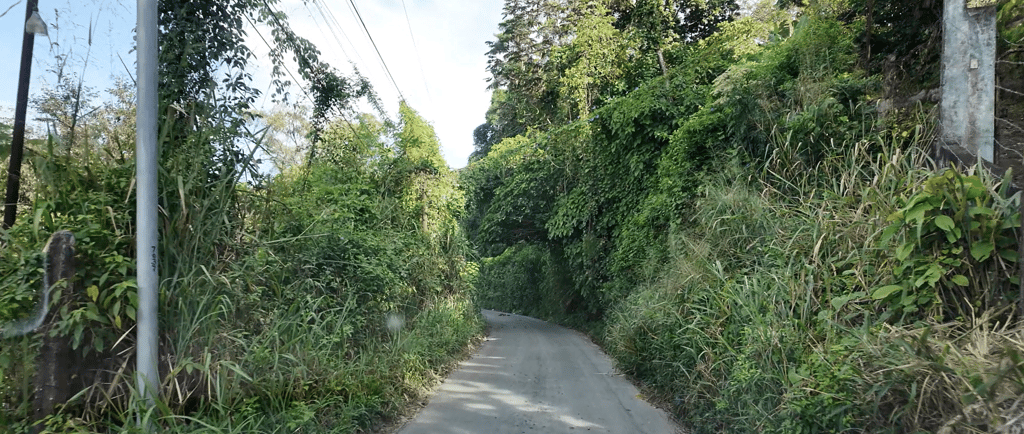
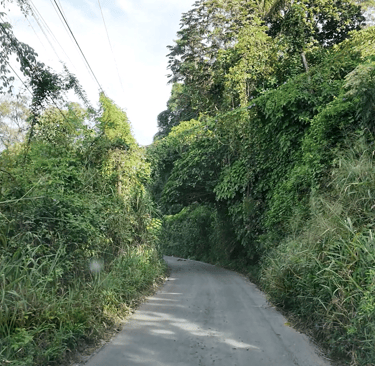
Today, I am excited because I’m renting a car in El Salvador.
Today, I am also deeply terrified… because I’m renting a car in El Salvador.
A lot of people hear smallest country in Central America and mentally shrug, as if there’s nothing worth seeing here—like El Salvador is the fun-sized candy bar of the region. Cute, but not worth the calories.
Me? I hear small and think conquerable.
You can drive from one end of this country to the other in a matter of hours. A whole nation that fits between breakfast and lunch. That alone makes renting a car feel less like a gamble and more like a strategic power move.
So for the rest of my stay, I’ve committed to driving myself for adventures beyond San Salvador, while relying on rideshares inside the city—because San Salvador traffic behaves like a telenovela: dramatic, emotionally charged, and not something I want to star in.
The Airport Rental Plot Twist
Conventional wisdom says never rent a car at the airport. Too expensive. You’re “paying for convenience.”
Naturally, I ignored that advice and compared prices.
Plot twist: airport rentals were cheaper than city rentals. Also, it’s Sunday—and every non-airport rental office in San Salvador shut down yesterday at noon like civilization had ended. The airport, however, remains open 24/7, fluorescent-lit and ready to take my money.
Yes, going back to the airport mid-trip feels irrational—it’s halfway to the beach—but when it’s time to fly home, I’ll be smugly dropping off my keys and walking straight into the terminal. Temporary inconvenience now, ultimate convenience later.
Logistics Olympics: won.
Insurance: Where Courage Goes to Die
Here’s what I learned (and what you should absolutely know):
U.S. drivers do NOT need an International Driver’s License in El Salvador. Your regular license is fine.
Most U.S. auto insurance policies stop working the moment you leave the country. Mine covers the U.S. and Canada and politely bows out everywhere else.
Third-Party Liability (TPL) insurance is mandatory in El Salvador. It covers other people, not you.
Collision Damage Waiver (CDW) covers your vehicle.
Big international companies explain this clearly. Smaller local companies? A gamble. And many rent manuals—so if you don’t drive stick, you may end up panic-Googling “hill start” on the side of a volcano.
I am not a gambler. I am a Black woman in a country where I stand out even when trying to disappear. I will happily pay extra to be overinsured and unbothered.
Instead of the rental company’s expensive total protection package, I used my American Express Premium Car Rental Protection (flat $25 per rental, not per day) and paid only for the mandatory TPL. I also added roadside assistance, tire coverage, and windshield protection—because peace of mind is priceless, and volcanic backroads are… volcanic.
The Car Reveal (And a New Favorite Thing)
I reserved an “intermediate SUV,” allegedly a Nissan Qashqai or similar—which sounds less like a car and more like an exotic bird.
What I actually received was a Hyundai Creta, a vehicle I had never heard of and now deeply adore.
It’s spotless. Silver. Perfectly sized. Mahogany-and-black interior. Cold, aggressive air conditioning (non-negotiable). Fully fueled. Automatic transmission. A vehicle that says, Yes, I can handle potholes and existential dread.
Four wheels. Cold air. Freedom.
Let’s go.
Driving in El Salvador: Vibes Over Rules
The internet was right about one thing: the main roads are great.
The side roads? A creative interpretation of infrastructure.
Some roads are spiritually two-way, but practically one-way-at-a-time. One car pulls over. Eye contact is made. Vibes are exchanged. Someone honks. Negotiations conclude.
And honking—this is important—is not always anger here.
In El Salvador, a honk can mean:
“You go first”
“Thanks”
“I see you”
“We are sharing this moment”
Back home, honking can get you shot. So this took some adjusting.
Then there was the moment I encountered what can only be described as a road pond. In the U.S., this would trigger cones, meetings, emails, and a press release. Here? Locals drove through it casually.
So I waited. I watched. I followed the golden rule of travel: If the locals aren’t panicking, don’t panic.
I drove through. I survived.
Walmart: A Safe Space for the Overstimulated
After hours of driving, culture shock, and mental gymnastics, I needed comfort. Familiarity. Emotional support in fluorescent lighting.
Enter Walmart.
Even when no one speaks English, Walmart does.
Water (not from the tap—absolutely not).
Laundry detergent (off-brand, living dangerously).
Sanitizing wipes (non-negotiable).
Toothpaste, toothbrush, hand sanitizer, rubbing alcohol—because apparently I’ve become a prepper.
Checkout was smooth. Supplies secured. Brain officially at capacity.
End-of-Day Reflections From a Newly Brave Driver
My car is now safely parked in my hotel’s well-lit garage, and I cannot express how happy I am to be walking again.
Yes, I got honked at—mostly friendly.
Yes, stop signs are optional or sometimes imaginary.
Yes, intersections rely heavily on intuition and mutual respect.
But here’s the thing no one tells you: Salvadoran drivers are watching out for you. Nobody wants an accident. On narrow roads, people stopped, waved me through, flashed lights, and made space.
People online say Salvadorans are nice—except when they’re driving. I can say the same about Atlantans. But what I can’t say about Atlantans is this: Salvadorans extend kindness behind the wheel, not just off it.
I’m still a nervous driver in El Salvador.
But I’m no longer a terrified one.
And that, my friends, is progress.
Vlogs
Watch the stories that unfold beyond words and photographs.
© 2026. All rights reserved.

Subscribe